

Zirconium Implant
An aesthetic and biocompatible solution in Kırşehir with metal-free zirconia implants. Digital planning at Ayaz Dent for the front teeth and for patients with metal sensitivity.
Kırşehir Zirconium Implants
Kırşehir zirconium implant treatment: Provides information on metal-free implant options, the stages of the procedure, differences compared to titanium implants, and pricing.
Implant options available following tooth loss are not limited to titanium alone. Today, zirconia-based implants can also be considered under certain clinical conditions. Due to their white-toned ceramic structure, metal-free composition, and the visual advantages they offer in aesthetic areas, zirconia implants are among the treatment alternatives frequently explored, particularly for missing front teeth.
It should be noted that zirconia implant treatment is not a standard choice for every patient. The structure of the jawbone, the area where the implant will be placed, chewing forces, gum thickness, the number of missing teeth, and the characteristics of the implant system to be used must all be evaluated together. At Ayaz Dent Dental Clinic in central Kırşehir, material selection during implant planning is tailored to the patient’s clinical needs.
What Is a Zirconia Implant?
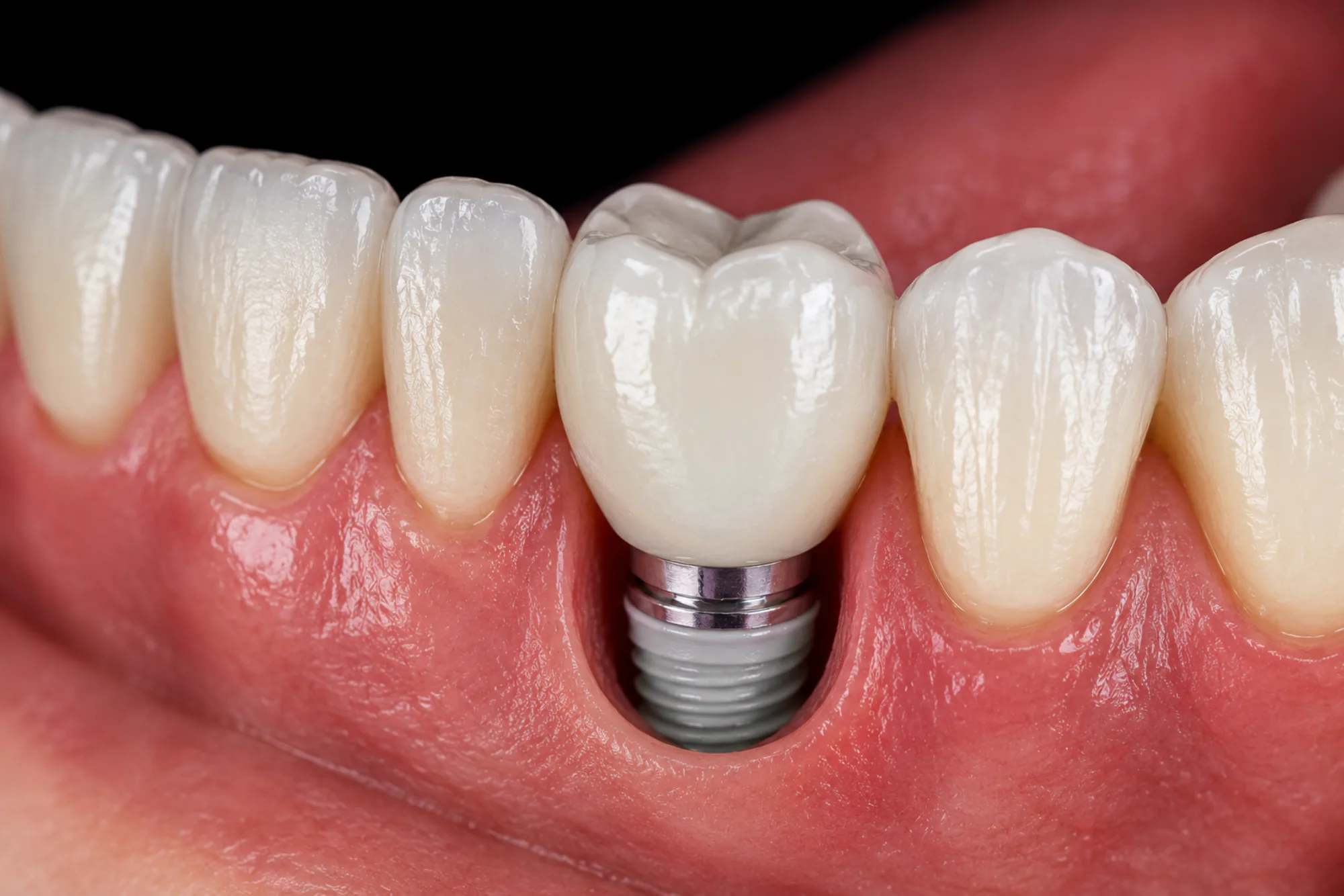
A zirconia implant is a type of implant made from high-strength zirconia-based ceramic and placed into the jawbone to provide support for a prosthesis in the area of a missing tooth. In dental literature, the term “ceramic implant” is most often used to refer to zirconia implants.
Zirconia dioxide is not used directly in its metallic form. It is converted into a stabilized ceramic structure for use in implant production. For this reason, zirconia implants are classified among metal-free implant systems. The white or light ivory-colored surface can reduce the likelihood of a gray color reflection, particularly in patients with thin gum tissue.
Today, both one-piece and two-piece zirconia implant systems are available. In one-piece systems, the implant body and the abutment that supports the prosthesis form a single structure. In two-piece systems, however, the implant and the abutment are separate components. The choice of design depends on the treatment site and the technical specifications of the implant system.
In Which Cases Are Zirconia Implants a Viable Option?
Zirconia implants may be considered, particularly for patients seeking a metal-free treatment option or those with aesthetic concerns regarding the front teeth. However, the decision is not based solely on the patient’s material preference. A detailed evaluation of surgical and prosthetic suitability is required.
- Front tooth缺失: If there is a possibility that the implant color may show through thin gum tissue, a white ceramic structure may offer an advantage.
- Request for metal-free treatment: This option can be considered for patients who, due to personal preferences, do not want metal in their mouths.
- High aesthetic expectations: This approach can be planned to support gum-to-restoration harmony in implant areas located along the smile line.
- Single-tooth缺失: Can be used in cases of limited tooth缺失 where there is sufficient bone and appropriate force distribution.
- Thin gingival tissue: This may be an option in cases where the risk of reflection from a metal abutment needs to be minimized.
Zirconia implants can also be used in the posterior regions or in cases of multiple missing teeth; however, high masticatory forces and prosthesis design must be carefully evaluated. Not all implant systems are suitable for the same clinical applications.
How Is Zirconia Implant Treatment Performed?
The zirconia implant procedure generally proceeds in a similar manner to other dental implant treatments. In the first stage, the patient’s oral health, jawbone, and the area of the missing tooth are evaluated. After the necessary imaging is performed, the implant’s diameter, length, and placement direction are planned.
The surgical procedure is usually performed under local anesthesia. A controlled socket is prepared in the jawbone for the implant, and the zirconia implant is placed in this area. The level of stability achieved by the implant during initial placement is crucial in determining the healing protocol.
In some cases, a temporary tooth can be prepared quickly. However, immediate loading of the implant is not suitable for every patient. The bone structure, the stability of the implant at the time of placement, the forces that will be applied to the treatment site, and the implant system’s usage protocol are all evaluated together.
The Treatment Process Step by Step
1. Clinical Examination
The area where the tooth is missing, the adjacent teeth, gum health, and the bite relationship are examined. The patient is asked about any chronic illnesses, medications they are taking, smoking habits, and previous surgical procedures.
2. Radiographic Examination
The height, width, and density of the jawbone are assessed using a panoramic X-ray and, when necessary, three-dimensional dental tomography. The nerve canal in the lower jaw, the sinus cavity in the upper jaw, and the roots of adjacent teeth are incorporated into the implant plan.
3. Material and System Selection
The suitability of a zirconia implant for the patient is evaluated. Whether a one-piece or two-piece system will be used is determined based on the prosthetic plan and the implant site. The advantages and limitations of the zirconia and titanium options are explained to the patient.
4. Surgical Placement
After local anesthesia, the area where the implant will be placed is prepared. The zirconia implant is placed in the planned position in a controlled manner. If deemed necessary, sutures are applied, and care instructions are provided for the healing period.
5. Healing Period
A specific period is allowed for biological integration to occur between the implant and the bone tissue. The healing time may vary depending on the quality of the jawbone, the implant site, and any additional procedures performed. During this period, it is important to protect the implant from excessive force.
6. Prosthetic Phase
Once healing is complete, an impression or digital scan is taken. The color, shape, and occlusal relationship of the crown to be placed on the implant are determined. Prosthetics made of zirconia, ceramic, or other suitable materials can be planned for zirconia implants.
7. Check-up and Follow-up
In the final stage of treatment, the fit of the implant-supported restoration in the mouth, the occlusal relationship, and gum health are checked. To support long-term use, oral hygiene recommendations are provided to the patient, and follow-up appointments are scheduled on an individualized basis.
What Are the Advantages of Zirconia Implants?
The benefits that zirconia implants can provide vary depending on the patient’s clinical condition and the system used. The main advantages can be listed as follows:
- Metal-free structure: They offer an alternative for patients who do not want metal materials in their mouths.
- White color: It can reduce the likelihood of a dark implant body color showing through thin gum tissue.
- Harmony with aesthetic areas: It can contribute to visual harmony with the soft tissues surrounding the front teeth.
- Tissue compatibility: Zirconia is used in dentistry as a ceramic material that is compatible with biological tissues.
- Corrosion resistance: Due to its ceramic structure, metal corrosion is not an issue in the oral environment.
- Surface suitable for plaque control: Well-polished ceramic surfaces can help maintain hygiene when proper care is provided.
These advantages do not mean that zirconia implants are superior to titanium in every case. Titanium implants have a longer clinical history, a wider range of product options, and a large number of scientific studies. The choice of material should be made on a case-by-case basis.
What Are the Limitations of Zirconia Implants?
Although zirconia is a hard and durable ceramic, it exhibits lower flexibility compared to titanium. Materials with a ceramic structure may behave differently in terms of fracture risk due to improper force distribution or incorrect planning. Therefore, the implant diameter, position, and prosthesis design must be carefully selected.
In one-piece zirconia implants, the angle of the prosthesis-bearing upper section is determined during surgical placement. The ability to adjust the orientation afterward may be limited. This requires extremely precise positioning of the implant.
The product variety and long-term clinical data for zirconia implant systems are not as extensive as those for titanium implants. Additionally, their costs may be higher due to production techniques and system characteristics. For these reasons, they are not considered the first choice for every patient.
Differences Between Zirconia and Titanium Implants
Material | Zirconia-based ceramic | Titanium or titanium alloy |
Color | White or light ivory shade | Metallic gray |
Clinical history | More recent and limited long-term data | Extensive clinical data spanning decades |
System diversity | More limited product and connection options | Wide range of diameters, lengths, and connection options |
Aesthetic appeal | May offer a white color advantage in thin gingiva | May exhibit a gray reflection in thin tissue |
Mechanical behavior | Hard, low-flexibility ceramic structure | A more flexible metal structure with high impact tolerance |
Cost | May generally be higher | Wider price range depending on the system and brand |
When choosing between the two implant types, the decision should not be based solely on aesthetics or price. The treatment site, bone volume, occlusal forces, prosthesis option, and the implant system the dentist will use must all be evaluated together.
Who Is a Candidate for Zirconia Implants?
Zirconia implants can be considered for individuals whose general health is suitable for implant surgery and whose jaw development is complete. They may be particularly suitable for the following patient groups:
- Those with a single missing tooth in the front region
- Those with thin gum tissue
- Those who do not want metal in their mouths
- Patients who prioritize aesthetic appearance
- Individuals with sufficient jawbone and good oral hygiene
Additional evaluation may be required for patients with uncontrolled diabetes, active gum disease, heavy smoking, advanced bone loss, or a severe teeth-grinding habit. These conditions are important not only for zirconia implants but also for implant treatment in general.
Can zirconia implants be placed in patients with metal allergies?
The fact that zirconia implants do not contain metal can be a significant factor for patients concerned about metal sensitivity. However, true allergic reactions to titanium are rare, and a diagnosis should not be made based solely on the patient’s self-report.
For patients with a history of significant reactions to metal materials, an evaluation by a dermatologist or allergist may be recommended. The decision to use zirconia implants should be based not only on suspected allergies but also on the mechanical and anatomical conditions of the area where the implant will be placed.
Are Zirconia Implants Used in the Front Teeth?
The anterior region is one of the most aesthetically sensitive areas in implant treatment. It is directly affected by the gum line, alignment with adjacent teeth, the angle of the implant, and the thickness of the bone on the anterior surface. White-colored zirconia implants can reduce the risk of a dark body reflection in some cases where the gum tissue is thin.
However, the natural appearance is not determined by the implant’s color alone. The implant’s three-dimensional position, the shape of the gum tissue, soft tissue guidance using a temporary tooth, and the design of the permanent crown all play a crucial role. For this reason, surgical and aesthetic planning must be carried out in tandem for anterior implants.
Recovery Process After Zirconia Implant Placement
Mild pain, swelling, or tenderness may occur in the first few days following surgery. Regular use of medications prescribed by the dentist, protecting the surgical site, and eating soft foods during the initial days contribute to the healing process.
The time it takes for the implant to integrate with the bone varies from patient to patient. The quality of the jawbone, the implant site, the initial stability of the implant, and any bone augmentation procedures, if performed, can affect this timeframe. Uncontrolled force should not be applied to the implant until sufficient healing has occurred for the placement of a permanent prosthesis.
How Should Zirconia Implants Be Cared For?
Although zirconia implants do not decay, the gum and bone tissue surrounding the implant can be affected by poor oral hygiene. For this reason, the area around the implant should be cleaned daily, and professional checkups should not be missed.
- Teeth and the area around the implant should be brushed at least twice a day.
- An interdental brush or suitable dental floss should be used.
- The area where the implant crown meets the gums should be cleaned carefully.
- Smoking should be avoided.
- If you have a habit of clenching your teeth, a protective night guard should be considered.
- Clinical and radiographic checkups should be performed at intervals determined by the dentist.
How Are Zirconia Implant Prices Determined in Kırşehir?
Zirconia implant prices in Kırşehir vary depending on the implant system used, the number of missing teeth, the scope of the surgical procedure, and the material of the implant-supported prosthesis. The production process for zirconia implants and the more limited product options may result in costs that differ from those of titanium systems.
Additional procedures such as bone grafting, sinus lifting, tooth extraction, preparation of temporary teeth, or advanced imaging may affect the total treatment cost. Additionally, the implant body and the zirconia crown placed on top are separate treatment items. The terms “zirconia implant” and “zirconia crown on a titanium implant” do not describe the same procedure.
Accurate pricing information can be provided based on a personalized treatment plan determined following a clinical examination and radiological evaluation.
The Zirconia Implant Approach at Ayaz Dent
At the Ayaz Dent Dental Clinic, when selecting implant materials, the patient’s aesthetic expectations are considered alongside their bone structure, treatment area, chewing forces, and long-term maintenance needs. In cases where a zirconia implant is not suitable, alternative implant and prosthesis options are explained to the patient.
Surgical suitability, implant placement, and any necessary additional surgical procedures are evaluated by Oral and Maxillofacial Surgeon Orhan İSMAİLZADE based on clinical and radiological findings. The shape, color, relationship with the gums, and alignment with the smile line of the implant-supported tooth in the anterior region are addressed by Aesthetic Dentist Hasan Ayaz as part of the prosthetic planning process.
At Ayaz Dent, the goal is not merely to place a metal-free implant; it is to create a treatment plan that is surgically safe, aesthetically harmonious, and can be regularly maintained by the patient.
Frequently Asked Questions
How long does zirconia implant treatment take in Kırşehir?
The duration of treatment varies depending on bone structure, the area where the implant is placed, and any additional surgical requirements. While the surgical procedure can be performed in a single session, a healing period of several months may be required to prepare the permanent tooth.
Which is better: zirconia implants or titanium implants?
There is no single “right” material for every patient. While titanium implants have a longer clinical history, zirconia implants offer a metal-free, white-colored alternative. The choice should be made following an examination.
Are zirconia implants truly metal-free?
Zirconia implants are made from zirconia-based technical ceramic and are not classified as metal implants. However, the connecting parts and prosthetic components of the system to be used should also be examined.
Are zirconia implants suitable for front teeth?
Due to their white color, they can offer aesthetic advantages in the front teeth area. However, sufficient bone, proper implant placement, and healthy gum tissue must be present.
Can zirconia implants break?
Zirconia is a high-strength ceramic, but no material is completely unbreakable. Factors such as an inappropriate diameter, incorrect placement, excessive chewing forces, or teeth grinding can increase the risk of mechanical failure.
Do zirconia implants cause allergies?
Zirconia is considered a biocompatible material. Nevertheless, the possibility of an individual reaction to any medical material cannot be completely ruled out.
When can I eat after a zirconia implant?
Once the effects of anesthesia have worn off, you may eat as recommended by your dentist. In the first few days, soft, warm, and easy-to-chew foods should be preferred; avoid placing excessive strain on the surgical site.
What is the lifespan of a zirconia implant?
The lifespan depends on many factors, such as oral hygiene, smoking, systemic health, prosthesis design, and regular checkups. A specific lifespan or a guarantee of lifelong success cannot be provided.
What type of tooth is placed on a zirconia implant?
A zirconia, ceramic, or other system-compatible crown can be planned for the implant. The choice of material is based on aesthetic expectations, occlusal forces, and the implant’s location.
Why are zirconia implant prices higher in Kırşehir?
The production process of zirconia implants, the brand of the implant system, the abutment design, and the cost of product procurement can all influence the price. Additional surgical procedures and the implant-supported prosthesis also affect the total cost.
Conclusion
Thanks to their metal-free structure and white color, zirconia implants are one of the implant options that can be considered, particularly in aesthetic areas. However, they are not a standard solution that can be applied in every situation as an alternative to titanium implants. The right choice of material should be made by evaluating bone structure, the location of the missing tooth, chewing forces, gum characteristics, and the prosthetic plan together.
To learn more about zirconia implant treatment in Kırşehir and to assess your personal suitability, you can contact Ayaz Dent, located in Kırşehir Center. Following a clinical examination and necessary imaging, zirconia and titanium implant options can be compared to create a treatment plan tailored to your needs.
This content is intended for general informational purposes only. It does not constitute a diagnosis or personal treatment recommendation. The choice of implant material can only be made following a dental examination and radiological evaluation.
Related Treatment Options
A zirconia implant is not the only option for every patient. Following an examination, depending on your needs, titanium implant alternatives, same-day implant protocols in suitable cases, or All-on-4 / All-on-6 options for full-arch restoration may be considered as part of implant treatment. The process is personalized with zirconia crowns for aesthetic restorations and, when necessary, digital planning. You can schedule an appointment for a detailed evaluation or contact us through our communication channels.